

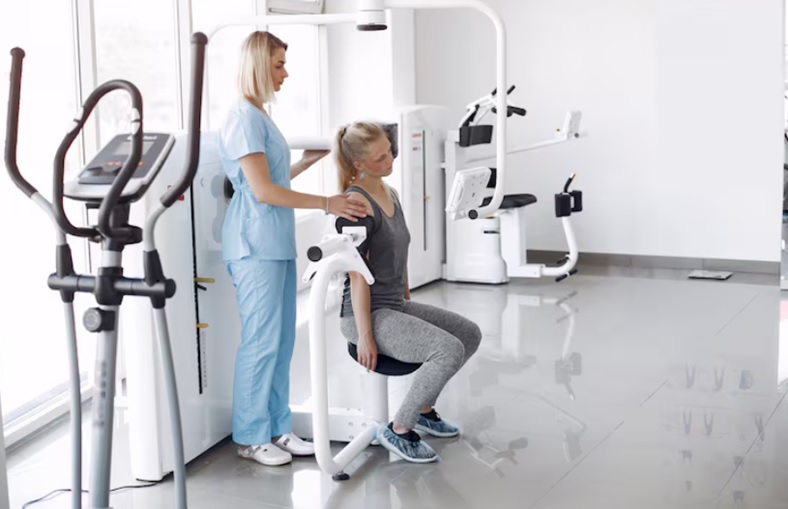
Have you ever thought about what actually makes a rehabilitation center truly effective for recovery?
Many people assume that luxury rehab centers focus mostly on beautiful locations, comfortable rooms, and relaxing facilities. Comfort is certainly part of the experience, but the real focus in modern luxury rehab centers is clinical excellence. The main goal is always meaningful recovery supported by professional care, evidence-based therapy, and personalized treatment plans.
Modern rehab environments combine advanced clinical support with calm surroundings. The peaceful setting helps people focus on healing, while experienced medical teams provide structured treatment. This balance allows individuals to receive strong clinical care while feeling supported and relaxed during recovery.
The Shift Toward Clinical-Focused Recovery
Luxury rehab centers today place strong attention on professional treatment methods. Clinical excellence means that care is guided by trained doctors, psychologists, therapists, and addiction specialists who work together to support recovery.
The setting may feel comfortable, but the real value comes from structured therapy, personalized treatment plans, and continuous monitoring. Each recovery program focuses on the individual’s mental health, physical wellbeing, and emotional stability.
Evidence-Based Treatment Approaches
Clinical excellence begins with treatment methods supported by research and medical practice. Modern rehab centers use therapy models that help individuals understand their behaviors, manage stress, and rebuild healthy habits.
These approaches often include cognitive behavioral therapy, group counseling, mindfulness practices, and structured wellness programs. Therapists work closely with individuals to help them understand personal triggers, develop emotional awareness, and build coping skills.
Recovery programs usually include:
- Individual therapy sessions with licensed professionals
- Structured group discussions that build support and connection
- Mental health counseling for emotional balance
- Holistic practices like mindfulness and meditation
Each treatment plan is built around the needs of the individual. This ensures that therapy remains focused and effective throughout the recovery period.
Personalized Care Plans For Each Individual
Recovery is never the same for everyone. Modern rehab centers understand this clearly, which is why treatment plans are tailored to each person. Doctors and therapists study a patient’s medical history, lifestyle factors, and mental health background before creating a recovery plan.
This personalized approach helps ensure that the therapy methods match the individual’s needs.
Individual Assessment And Clinical Planning
Clinical teams begin by conducting detailed assessments. These evaluations help professionals understand the full picture of a person’s situation. The assessment may include mental health screenings, addiction history, stress patterns, and lifestyle habits.
After this evaluation, specialists work together to create a treatment plan that supports long-term recovery. The plan may include therapy sessions, wellness activities, medical supervision, and emotional support programs.
The focus is always on steady progress through professional care rather than comfort alone.
A treatment structure often looks like this:
| Area Of Care | Purpose In Recovery |
| Clinical Therapy | Helps individuals understand thoughts, behaviors, and emotional responses |
| Mental Health Support | Provides stability and emotional guidance |
| Wellness Programs | Encourages healthy routines and stress management |
| Medical Monitoring | Supports physical wellbeing during recovery |
This structure ensures that recovery programs remain balanced and clinically focused.
Professional Teams Behind Modern Rehab Programs
One of the strongest elements of modern luxury rehab centers is the presence of multidisciplinary teams. Recovery involves several areas of health, so specialists work together to provide complete care.
Doctors, psychologists, therapists, nutritionists, and wellness professionals collaborate throughout the treatment process.
Collaboration Among Healthcare Experts
Clinical teams meet regularly to review patient progress and adjust treatment plans when needed. This teamwork allows professionals to respond quickly to the individual’s needs.
Therapists provide emotional support and behavioral therapy, while doctors monitor physical health. Nutritionists guide healthy eating habits, and wellness coaches help individuals develop positive daily routines.
Many individuals who explore options such as luxury malibu rehab environments appreciate how these clinical teams work together. The calm setting allows patients to focus on therapy sessions, while the structured medical care ensures that treatment stays focused on long-term wellbeing.
The Role Of Environment In Supporting Clinical Care
A peaceful environment helps people concentrate on healing. Luxury rehab centers often choose locations with natural surroundings because calm spaces support mental clarity and emotional balance.
The purpose of these surroundings is not simply comfort. Instead, the environment supports clinical work by reducing stress and distractions.
Calm Spaces That Support Therapy
Therapy sessions often become more productive in calm environments. Quiet surroundings allow individuals to reflect, communicate openly with therapists, and stay focused during counseling sessions.
Patients also participate in wellness activities such as guided meditation, light exercise, and mindfulness training. These practices complement clinical therapy by improving emotional awareness and reducing stress levels.
A balanced environment helps individuals stay engaged in therapy while building healthy habits that continue after treatment.
Long-Term Recovery And Continued Clinical Support
Recovery does not stop once a person leaves the rehab center. Modern treatment programs place strong attention on long-term support. Clinical teams help individuals prepare for life after treatment through structured aftercare planning.
This preparation ensures that the progress made during therapy continues beyond the rehab stay.
Building Healthy Habits For The Future
Aftercare plans often include ongoing therapy sessions, support groups, and wellness practices. These resources help individuals maintain the skills they developed during treatment.
Therapists also help patients create routines that support mental health and emotional stability. These routines may include mindfulness practices, exercise habits, and healthy social connections.
When individuals leave the program with strong coping skills and emotional awareness, they feel confident in continuing their recovery path.
Final Thoughts
Modern luxury rehab centers show that true quality care focuses on clinical excellence supported by professional expertise and personalized treatment plans. Comfortable environments help people relax and focus on recovery, but the foundation always remains structured therapy, medical guidance, and emotional support. When experienced healthcare professionals work together in calm settings, individuals receive the balanced care needed to build healthy habits, strengthen emotional well-being, and move forward with confidence.