

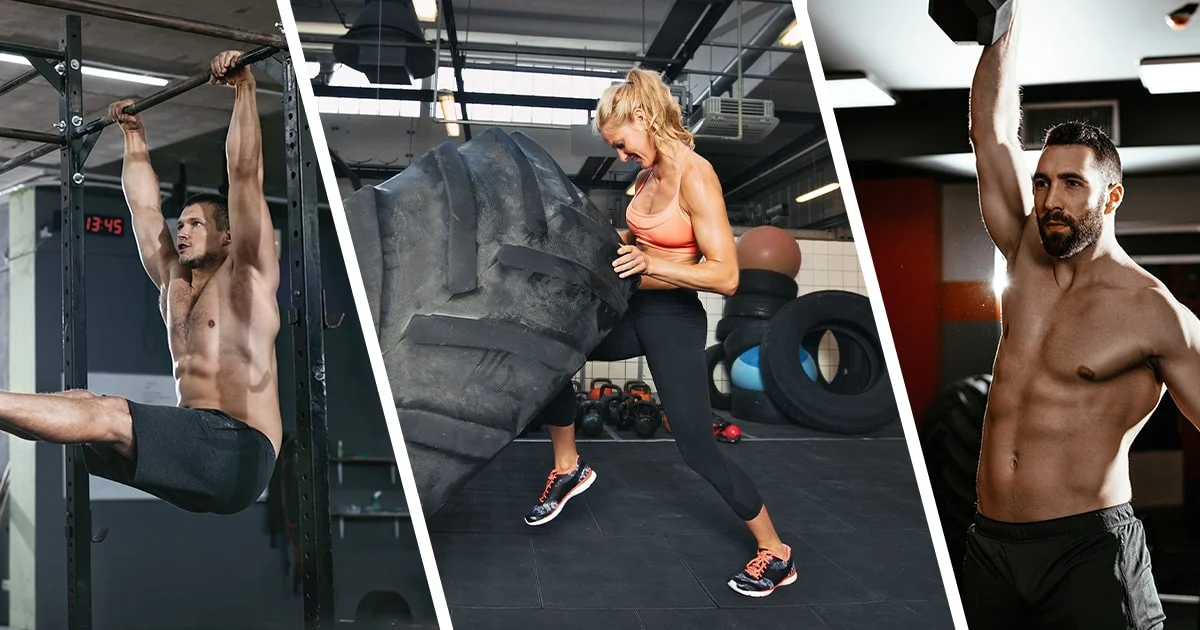
Functional bodybuilding is a modern approach to strength training that blends the aesthetics of traditional bodybuilding with the movement quality, mobility, and resilience required for everyday life. Instead of training muscles in isolation purely for size, this method focuses on building a body that looks strong, moves well, and performs reliably in real-world situations.
What Is Functional Bodybuilding?
Functional bodybuilding combines hypertrophy-focused training with functional movement patterns. The goal is not just muscle growth, but also improved coordination, joint health, balance, and endurance.
Unlike conventional bodybuilding, which often prioritizes machines and isolated muscle work, functional bodybuilding emphasizes:
- Multi-joint, compound exercises
- Controlled tempo and range of motion
- Mobility and stability alongside strength
- Long-term physical sustainability
This style of training supports daily activities such as lifting groceries, playing sports, maintaining posture, and preventing injuries.
Why Functional Strength Matters in Everyday Life
Real life rarely demands a one-rep max bench press. Instead, it challenges your body with awkward loads, repeated movements, and unpredictable positions. Functional bodybuilding prepares you for these demands.
Practical Benefits Include:
- Improved joint health through balanced muscle development
- Reduced injury risk by strengthening stabilizing muscles
- Better posture and alignment from core-focused training
- Enhanced athleticism for recreational sports and active hobbies
Strength becomes usable, not just impressive in the gym.
Key Principles of Functional Bodybuilding
Functional bodybuilding follows a few foundational principles that distinguish it from traditional training styles.
Movement First, Muscles Second
Exercises are chosen based on how the body naturally moves. Squats, hinges, pushes, pulls, carries, and rotations form the backbone of programming.
Time Under Tension
Slower, controlled repetitions increase muscle engagement while protecting joints. This approach improves muscle quality without excessive load.
Balance and Symmetry
Programs aim to reduce imbalances by training both sides of the body evenly and addressing neglected movement patterns.
Mobility as a Strength Tool
Mobility work is not an afterthought. It is integrated into warm-ups, main lifts, and accessory work to improve range of motion and longevity.
Core Exercises in Functional Bodybuilding
While variations are endless, certain movements appear consistently due to their effectiveness.
Foundational Movements
- Goblet squats and front squats
- Romanian deadlifts and hip hinges
- Single-arm presses and rows
- Split squats and lunges
- Farmer carries and loaded walks
These exercises build strength that transfers directly to real-life tasks.
How Functional Bodybuilding Differs From Traditional Bodybuilding
Traditional bodybuilding often prioritizes muscle isolation and aesthetics above all else. Functional bodybuilding still values physique development but places equal emphasis on how the body performs and feels.
Key differences include:
- Less reliance on machines
- Greater focus on unilateral (single-limb) training
- Inclusion of mobility and stability drills
- Moderate loads with higher control
The result is a physique that is not only visually strong but also highly capable.
Who Should Train This Way?
Functional bodybuilding is suitable for a wide range of people, including:
- Desk workers looking to reduce stiffness and pain
- Recreational athletes wanting better performance
- Fitness enthusiasts seeking longevity over extremes
- Individuals returning to training after injury
It adapts well to different experience levels because intensity is driven by movement quality, not ego lifting.
Building a Sustainable Training Lifestyle
One of the greatest strengths of functional bodybuilding is its sustainability. By respecting joint mechanics and recovery, this approach supports consistent training over years, not just short-term progress.
Training becomes a tool for living better, not something that breaks the body down.
Frequently Asked Questions
1. Is functional bodybuilding good for muscle growth?
Yes. When programmed correctly, it promotes hypertrophy through controlled volume, time under tension, and compound movements while also improving movement quality.
2. Can beginners follow functional bodybuilding programs?
Absolutely. Beginners often benefit the most because the focus on form, mobility, and balance builds a strong foundation early on.
3. How many days per week should I train?
Most people see excellent results training 3–5 days per week, depending on recovery, lifestyle, and goals.
4. Does functional bodybuilding replace cardio?
It does not fully replace cardio, but many sessions naturally elevate heart rate. Light conditioning or low-intensity cardio can be added for cardiovascular health.
5. Do I need special equipment?
No. Dumbbells, kettlebells, barbells, and bodyweight movements are enough to build an effective functional bodybuilding routine.
6. Is this training style suitable as I age?
Yes. Its emphasis on joint health, mobility, and controlled loading makes it especially valuable for long-term fitness and healthy aging.
7. How long does it take to see results?
Most people notice improved movement and reduced aches within weeks, while visible muscle development typically appears within 8–12 weeks of consistent training.
Functional bodybuilding bridges the gap between looking fit and living strong. It trains the body not just for the mirror, but for everything life demands beyond it.