

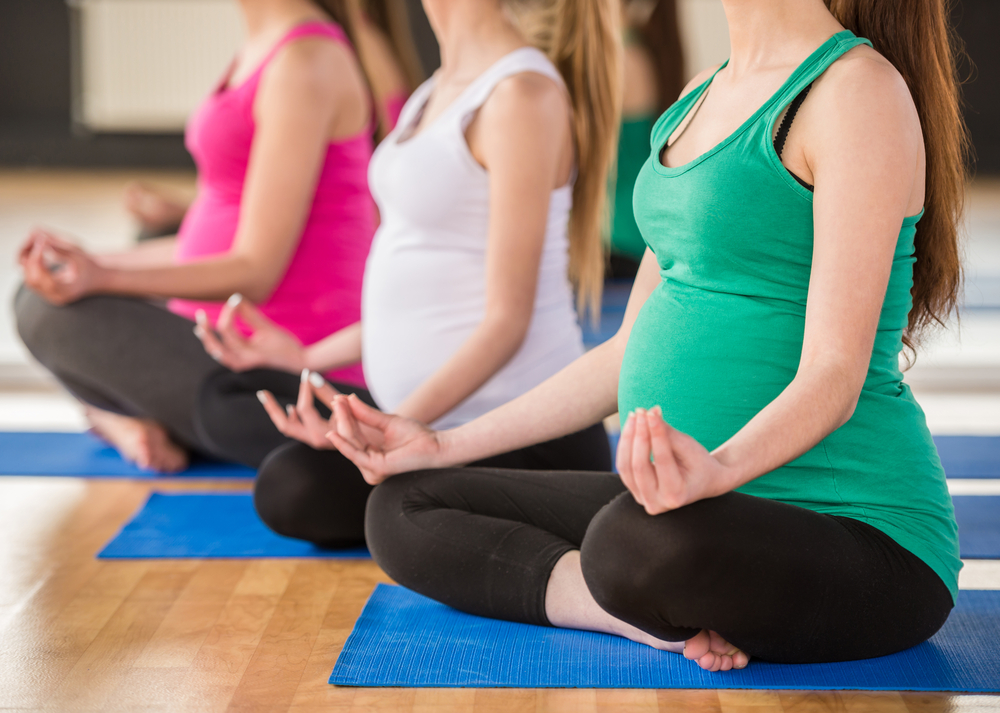
Pregnancy brings remarkable physical changes, and movement plays a powerful role in supporting both maternal and fetal health. Still, many expecting parents wonder how much exercise is enough—and how much might be too much. The answer is reassuring: you don’t need extreme workouts or rigid routines. What matters most is consistent, appropriate movement that supports your changing body.
This guide breaks down how much pregnancy exercise you really need, what types are safest, and how to adapt activity levels across each trimester.
Why Exercise During Pregnancy Matters
Regular physical activity during pregnancy isn’t about aesthetics or performance. It’s about health, comfort, and preparation for birth. Research consistently shows that appropriate exercise supports both physical and emotional well-being.
Key benefits include:
- Reduced lower back pain and joint stiffness
- Improved circulation and reduced swelling
- Better mood and lower stress levels
- Improved sleep quality
- Enhanced stamina for labor and delivery
- Lower risk of gestational diabetes and excessive weight gain
Staying active also helps many people feel more in tune with their bodies during pregnancy.
How Much Exercise Is Recommended During Pregnancy?
For most healthy pregnancies, the general guideline is:
At least 150 minutes of moderate-intensity exercise per week
That breaks down to:
- 30 minutes a day
- 5 days a week
Moderate intensity means your heart rate increases, but you can still hold a conversation. If you’re new to exercise, even 10–15 minutes at a time is a strong starting point.
What Counts as Moderate Exercise?
- Brisk walking
- Swimming
- Prenatal yoga or Pilates
- Low-impact aerobics
- Stationary cycling
- Light strength training
Consistency matters more than duration. A daily walk can be just as valuable as a structured workout.
Does Exercise Change by Trimester?
Your body’s needs evolve throughout pregnancy, and your activity should adapt accordingly.
First Trimester
Fatigue and nausea are common, so exercise may feel harder than expected.
Focus on:
- Gentle walking
- Stretching
- Short, low-intensity sessions
Listen closely to your energy levels and rest when needed.
Second Trimester
Often considered the “sweet spot” for movement, energy levels may improve.
This is a good time for:
- Building routine and consistency
- Strength training with light weights
- Prenatal fitness classes
Your balance may still be stable, but be mindful of posture and alignment.
Third Trimester
As your center of gravity shifts, comfort becomes the priority.
Best approaches include:
- Shorter exercise sessions
- Gentle mobility work
- Pelvic floor exercises
- Walking or swimming
Avoid movements that strain the abdomen or compromise balance.
Exercises That Are Safe and Effective
Not all workouts are created equal during pregnancy. Prioritize movements that support stability and controlled strength.
Recommended exercises:
- Walking on flat surfaces
- Prenatal yoga and stretching
- Swimming and water aerobics
- Bodyweight strength exercises
- Resistance band training
Exercises to limit or avoid:
- Contact sports
- Activities with high fall risk
- Exercises lying flat on your back after the first trimester
- Intense core twisting or crunching
When in doubt, choose low-impact and controlled movement.
How Hard Should You Push Yourself?
Pregnancy is not the time to chase personal records. Use simple self-checks to gauge intensity.
A good rule of thumb:
- You should be able to talk, not sing
- Breathing is faster but controlled
- You feel energized, not depleted, afterward
Stop exercising and seek guidance if you experience dizziness, chest pain, vaginal bleeding, or shortness of breath beyond normal exertion.
Strength Training During Pregnancy: Is It Safe?
Yes—when done properly. Strength training helps support joints, posture, and daily movement.
Guidelines for safe strength training:
- Use lighter weights with higher repetitions
- Focus on controlled movements
- Avoid breath-holding
- Emphasize legs, back, and upper body support muscles
Strong muscles can ease the physical demands of pregnancy and early parenthood.
The Role of Rest and Recovery
Exercise works best when balanced with adequate rest. Pregnancy places extra demands on your body, making recovery essential.
Support recovery by:
- Prioritizing sleep
- Staying hydrated
- Eating balanced meals
- Taking rest days when needed
Rest is not a setback—it’s part of healthy movement.
When to Talk to a Healthcare Professional
While exercise is safe for most pregnancies, some conditions require personalized guidance.
Consult a professional if you have:
- A high-risk pregnancy
- Persistent pain or discomfort during exercise
- Medical conditions affecting heart, lungs, or blood pressure
Individualized advice ensures safety and confidence.
Frequently Asked Questions
Can I start exercising during pregnancy if I was inactive before?
Yes. Start slowly with low-impact activities like walking and gradually build consistency.
Is it safe to exercise every day while pregnant?
Daily movement is generally safe if intensity is moderate and you listen to your body.
Should I avoid core exercises during pregnancy?
Not entirely. Focus on gentle, pregnancy-safe core movements that avoid strain or twisting.
How do I know if I’m overdoing it?
Persistent fatigue, pain, dizziness, or prolonged soreness are signs to reduce intensity.
Can exercise help with labor and delivery?
Yes. Improved stamina, strength, and breathing control can support the labor process.
Is walking enough exercise during pregnancy?
Absolutely. Brisk walking provides cardiovascular benefits and is safe throughout pregnancy.
Can exercise reduce pregnancy-related back pain?
Yes. Strengthening posture muscles and improving flexibility often eases back discomfort.
Pregnancy exercise doesn’t require perfection or intensity. What truly matters is regular, mindful movement that supports your comfort, health, and confidence—one step at a time.