

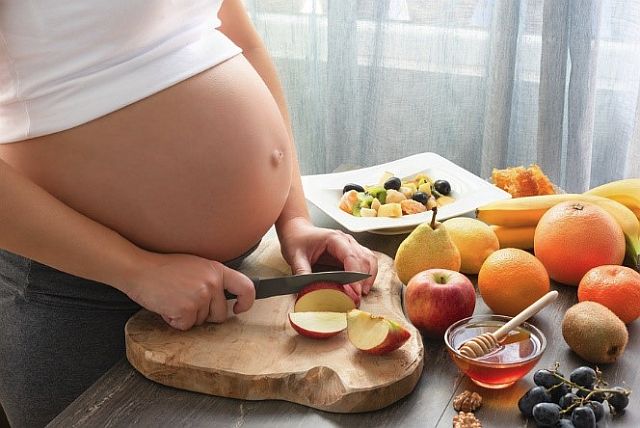
Good nutrition during pregnancy lays the foundation for a healthy mother and baby. What you eat affects fetal growth, brain development, immunity, and even long-term health outcomes. By focusing on balanced, nutrient-dense foods, you can support your body through each trimester and improve overall pregnancy results.
Why Nutrition Matters During Pregnancy
Pregnancy increases your body’s demand for energy, vitamins, minerals, and protein. Proper nutrition helps reduce the risk of complications such as anemia, gestational diabetes, preterm birth, and low birth weight. It also supports maternal well-being, energy levels, and recovery after delivery.
Key Nutrients Every Pregnant Woman Needs
Folic Acid (Vitamin B9)
Folic acid is essential in early pregnancy to support neural tube development. Adequate intake lowers the risk of birth defects affecting the brain and spine.
- Found in leafy greens, lentils, beans, and fortified grains
- Often included in prenatal supplements
Iron
Iron supports increased blood volume and helps prevent fatigue and anemia.
- Good sources include lean red meat, spinach, beans, and dried fruits
- Pair plant-based iron with vitamin C for better absorption
Calcium
Calcium is crucial for building strong bones and teeth in the baby while protecting the mother’s bone density.
- Found in milk, yogurt, cheese, almonds, and fortified plant milks
Protein
Protein supports fetal tissue growth and maternal muscle maintenance.
- Include eggs, poultry, fish, legumes, nuts, and dairy products
- Spread protein intake evenly throughout the day
Omega-3 Fatty Acids
These fats play a key role in brain and eye development.
- Sources include fatty fish (like salmon), walnuts, chia seeds, and flaxseeds
Building a Balanced Pregnancy Diet
A balanced pregnancy diet focuses on variety, moderation, and consistency.
- Half the plate: Fruits and vegetables of different colors
- Quarter of the plate: Whole grains like brown rice, oats, or whole wheat bread
- Quarter of the plate: Protein-rich foods
- Healthy fats: Avocado, olive oil, nuts, and seeds
Staying hydrated is equally important. Aim for water throughout the day to support digestion, circulation, and amniotic fluid levels.
Foods to Limit or Avoid
Certain foods can increase the risk of infections or exposure to harmful substances.
- Raw or undercooked meats and eggs
- Unpasteurized dairy products
- High-mercury fish
- Excess caffeine
- Alcohol, which should be completely avoided
Reading food labels and practicing safe food handling can further reduce risks.
Managing Common Pregnancy Challenges with Nutrition
Morning Sickness
- Eat small, frequent meals
- Choose bland, easy-to-digest foods
- Ginger and vitamin B6–rich foods may help
Constipation
- Increase fiber from fruits, vegetables, and whole grains
- Drink plenty of water
- Include gentle physical activity if approved by your healthcare provider
Heartburn
- Avoid large meals and spicy or fried foods
- Eat slowly and remain upright after meals
Healthy Weight Gain Through Smart Eating
Weight gain during pregnancy varies based on pre-pregnancy weight and individual needs. Focus on nutrient quality rather than calorie counting. Gradual, steady weight gain supports fetal growth without unnecessary strain on the body.
Supplements: When Food Isn’t Enough
While food should be the primary source of nutrients, prenatal supplements can help fill gaps. These typically include folic acid, iron, iodine, and vitamin D. Supplements should always complement, not replace, a healthy diet.
FAQ: Pregnancy Nutrition
1. How many extra calories do I need during pregnancy?
Calorie needs vary by trimester and individual factors. Most women need only a modest increase, especially in the second and third trimesters, focusing on nutrient-dense foods.
2. Is it safe to follow a vegetarian or vegan diet while pregnant?
Yes, with careful planning. Ensure adequate intake of protein, iron, vitamin B12, calcium, and omega-3 fatty acids through food choices and supplements if needed.
3. Can I eat seafood during pregnancy?
Yes, low-mercury fish can be beneficial due to their omega-3 content. Portion control and proper selection are key.
4. How can I improve iron absorption naturally?
Pair iron-rich foods with vitamin C sources like citrus fruits, tomatoes, or bell peppers, and avoid consuming tea or coffee with meals.
5. Should I avoid all fats during pregnancy?
No. Healthy fats are essential for fetal development. Focus on unsaturated fats while limiting trans fats and heavily processed foods.
6. What snacks are best for pregnant women?
Nut butter with fruit, yogurt with berries, boiled eggs, and whole-grain crackers with hummus are nutritious and satisfying options.
7. Can poor nutrition affect the baby later in life?
Yes. Maternal nutrition can influence a child’s metabolism, immunity, and long-term health, making balanced eating during pregnancy especially important.
By prioritizing wholesome foods, staying hydrated, and listening to your body’s needs, you can create a strong nutritional foundation for a healthier pregnancy and better outcomes for both mother and baby.